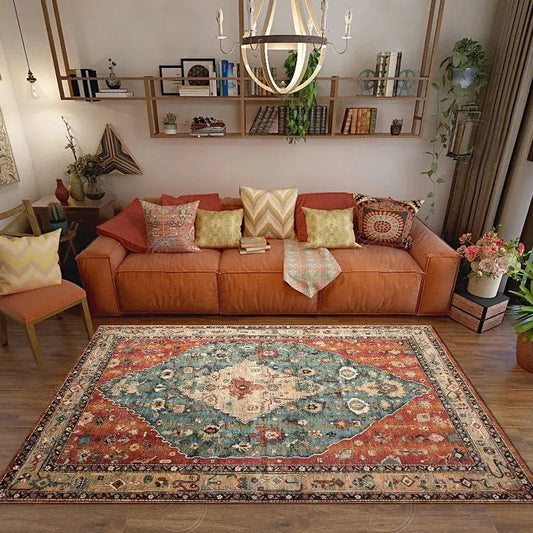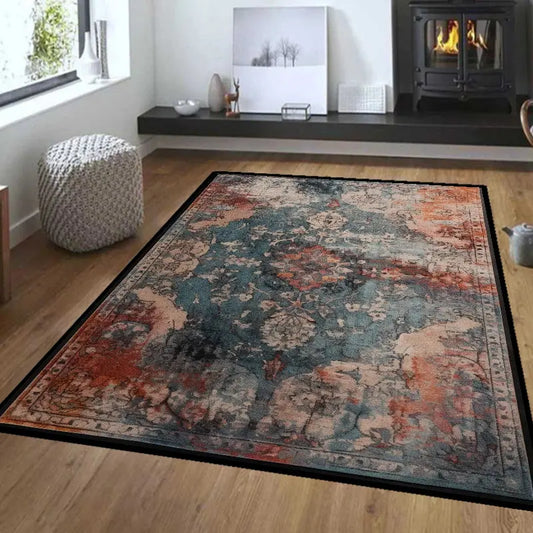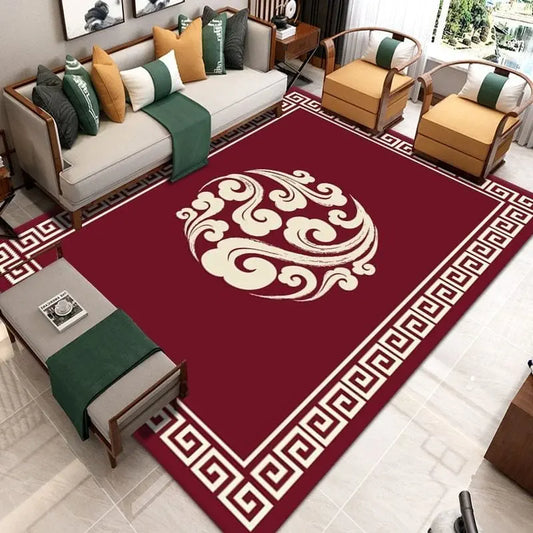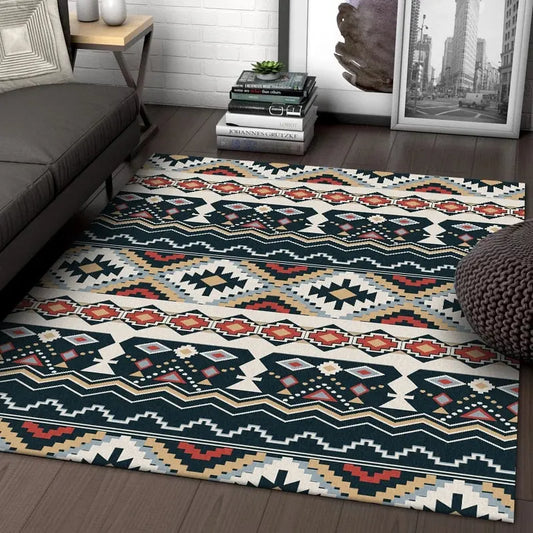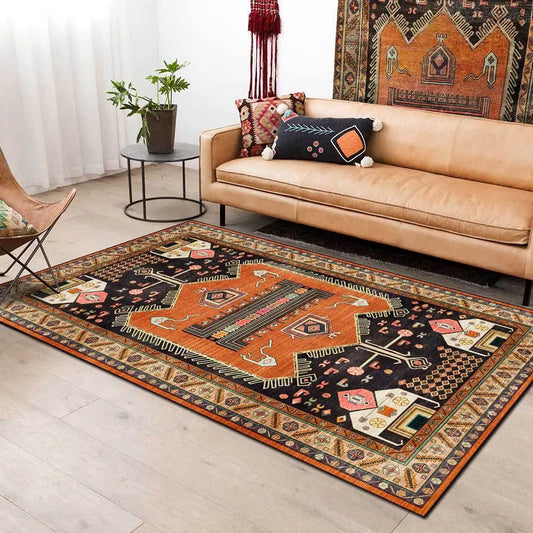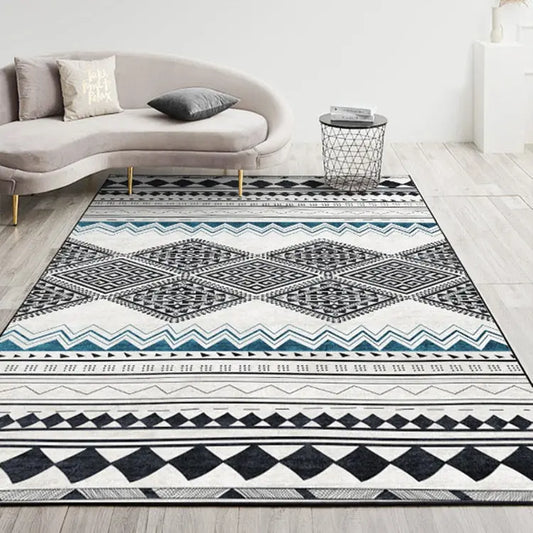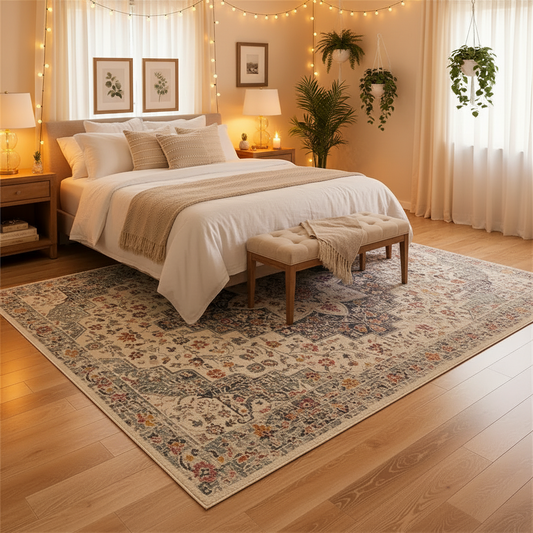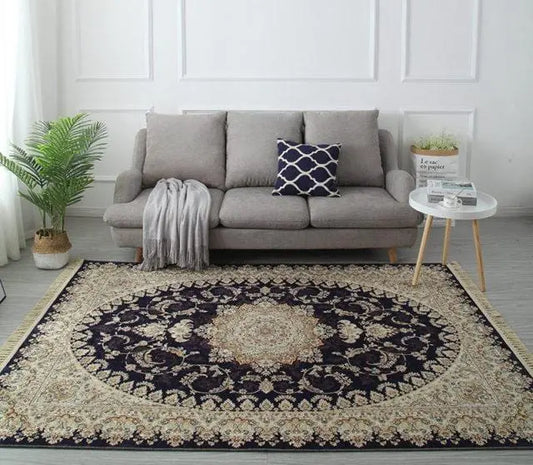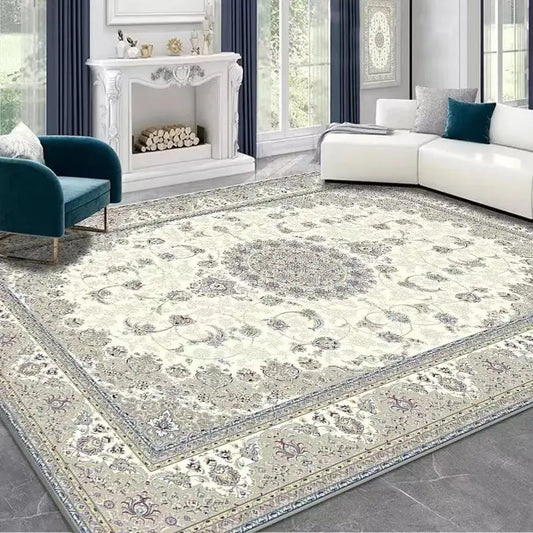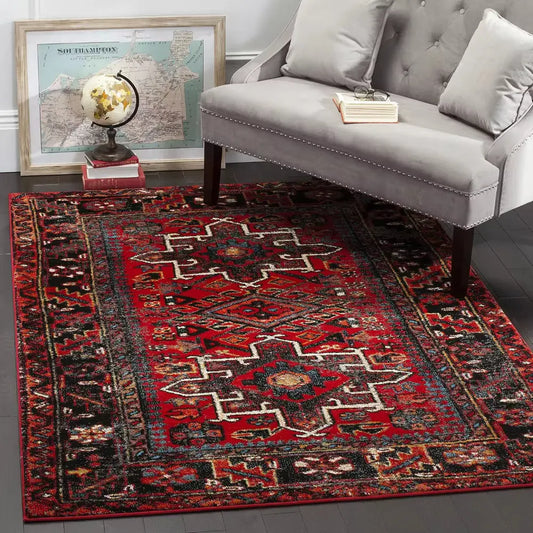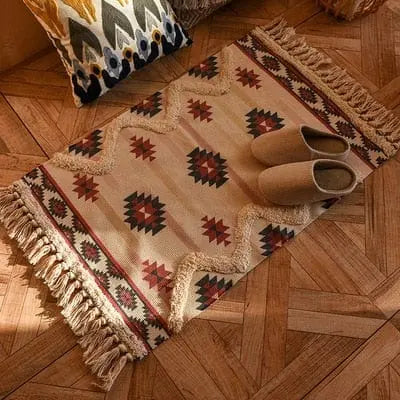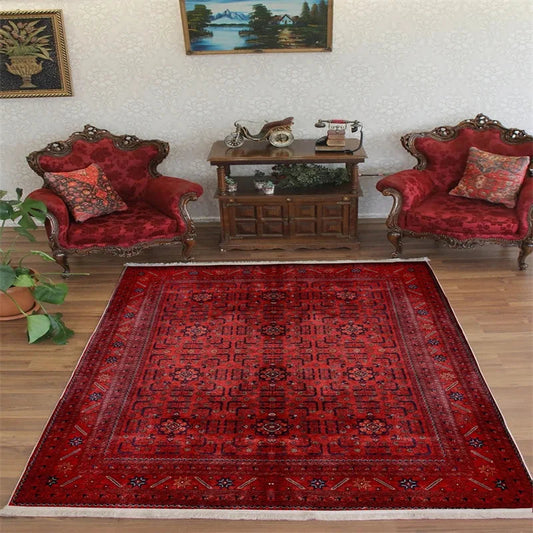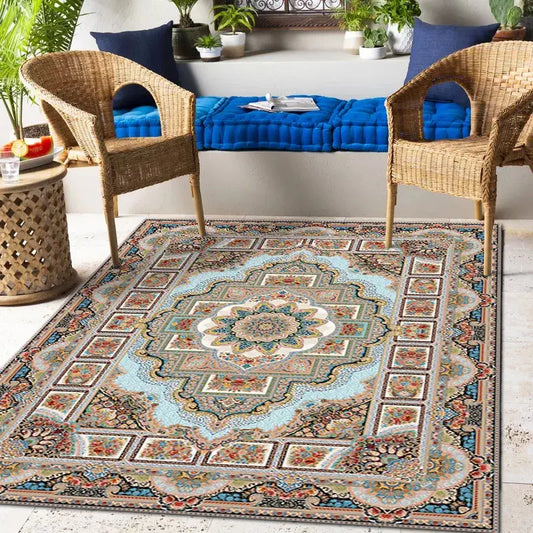
There's something about a red persian rug that works. It pulls a room together, adds warmth underfoot, and brings a kind of quiet character that's hard to find in most home pieces. We've seen it work in minimalist apartments, busy family homes, and everything in between. Every rug in our collection is hand-knotted by skilled weavers in Iran. We don't carry machine-made pieces. What you see here is the real craft. If you're still exploring styles, our full rugs collection is a good place to start.
Why Red?
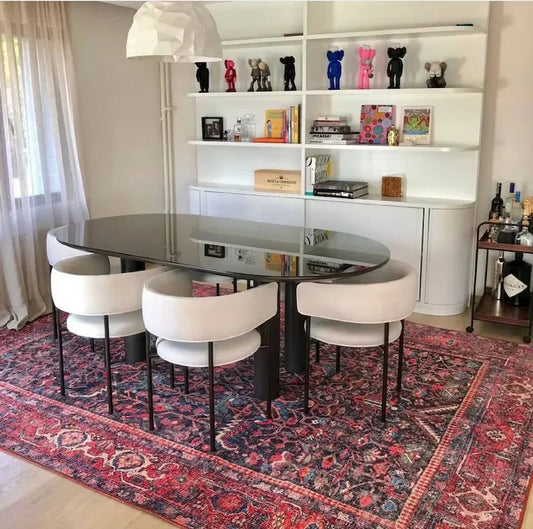
Red isn't just popular in Persian rugs. It's deeply rooted in the tradition. Weavers in Kashan, Tabriz, and Heriz have been working with red for centuries, and for good reason. It's a color that ages well, stays rich, and never really goes out of style. You'll find a wide range of red tones across this collection. Some pieces lean toward a deep, dark red that feels formal and grounded. Others carry brighter crimson tones that bring more energy to a space. Many rugs also weave in secondary colors like blue, green, or black, creating contrast that makes the overall design pop. Red and blue Persian rugs are especially popular because the two colors have been paired together in Oriental weaving traditions for centuries. Black and red combinations tend to feel bolder and more dramatic, while green accents add an earthy, natural balance. The reds you'll find in authentic Persian rugs were traditionally made using madder root, a natural plant dye that produces warm, lasting tones. Over time, these colors don't fade so much as they settle, softening into something even more beautiful than when the rug was new. That's a significant reason why older pieces are so highly sought after. And from a purely practical design standpoint, red is surprisingly easy to work with. It pairs naturally with wood floors, neutral walls, leather furniture, and earthy tones. It brings energy to a room without feeling aggressive.
Regional Styles You'll Find Here
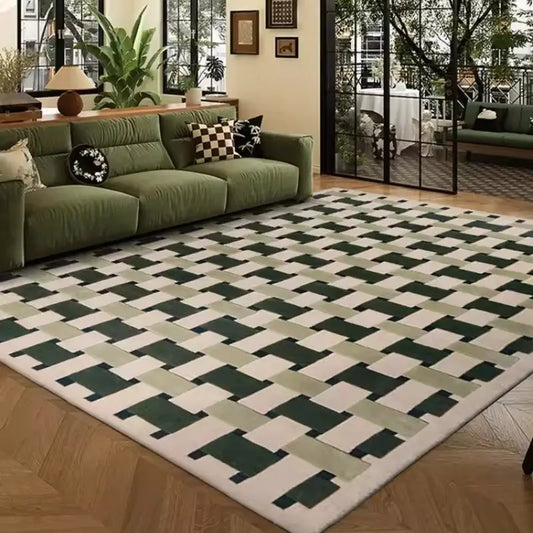
One thing people don't always realize is how different Persian and Oriental rugs can look depending on where they come from. The region shapes the pattern, the weave, and the whole feel of the rug. Kashan rugs tend to be refined and detailed. They usually feature a central medallion with flowing floral patterns around it, the kind of design that looks at home in a living room or formal dining space. Heriz rugs are a different story. They're bold, geometric, and built tough. The patterns are larger, the wool is dense, and they handle foot traffic well. If you need a rug for a high-use area, a red Heriz is worth a serious look. Hamadan rugs are another great option worth knowing about. They come from one of Iran's oldest weaving regions and are known for their straightforward geometric designs and honest, durable construction. Many Hamadan rugs feature dark red or rust tones as the main background, making them feel warm and grounded without being too formal. Tabriz rugs land somewhere between refined and expressive. You'll find everything from fine, intricate pieces to larger, more statement-driven designs. The red Tabriz rugs in particular tend to have a real depth to them. If you're drawn to bold repeated patterns, you might also enjoy browsing our checkered rugs for a more graphic, modern take.
What to Consider When Choosing a Size
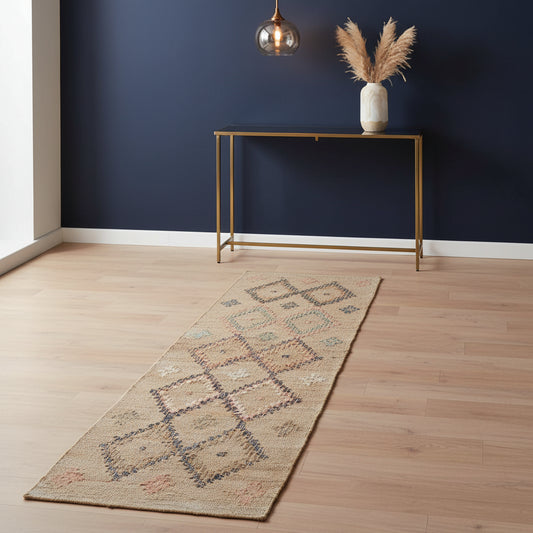
This is where a lot of people second-guess themselves, and honestly, the most common regret is going too small. For a living room, an 8x10 or 9x12 usually hits the right mark. The front legs of your sofa and chairs should sit on the rug, not float beside it. That's what makes the seating area feel intentional rather than random. For a dining room, size up. You want the chairs to stay on the rug even when someone pulls them out to sit down. A rug that's too small here looks awkward and gets uneven wear.If you're thinking about a hallway or entryway, a red Persian runner is a genuinely smart choice. It handles heavy foot traffic, protects your floor, and sets a strong first impression the moment someone walks in. If you prefer something with a different texture for those same spaces, our tassel rugs are worth a look too.
Hand-Knotted Wool Quality, Built to Last
Hand-knotting is slow work. A single rug can take weeks or months to complete, depending on the size and complexity of the pattern. That's not a selling point we're throwing in. It's just the reality of how these rugs are made, and it directly affects how long they last. Wool is the material you'll find in most pieces here, and for good reason. Wool is naturally durable, resists staining, and doesn't flatten easily under daily use. A well-made wool Persian rug bounces back with regular use in a way synthetic materials simply don't. If you ever want something softer underfoot for a bedroom or lounge area, our white shag rugs offer a completely different feel. People often ask how long a Persian rug lasts. With basic care, regular vacuuming, rotating every year or two, and professional cleaning when needed, a good hand-knotted wool rug can genuinely last decades. Some of the pieces in our collection already have.
Find Your Rug
Take your time browsing. Each listing tells you where the rug was made, the dimensions, the materials, and its condition. If you want something with a completely different pattern and personality, our plaid rugs collection is a fun contrast to explore. And if something catches your eye here and you want to know more, just reach out. We're happy to help you find the right fit.